Introduction
“At the current rate of change, the global gender gap will not close for another 100 years” (UN 2020).It has been 40 years since the implementation of the Convention on all forms of Discrimination Against Women (CEDAW, 1979), yet, discrimination continues to persist in education, politics legislation and everyday life. According to the World Bank in 2017, more than 41,000 girls were compelled into child marriage daily. This phenomenon primarily stems from societal and parental perceptions of girls.
On the one hand, 131 countries have introduced 274 gender-related legal reforms in the past decade. However, it is estimated that over 2.5 billion women and girls reside in nations that still uphold at least one discriminatory law. These statutes curtail women's autonomy in decisions concerning marriage, divorce, child custody, employment, entrepreneurship, and more.
Women and girls empowerment is not just a moral obligation. It is a strategic imperative for a more equitable and prosperous world. This article explores the significance of bridging the gender gap and how women empowerment can lead to a better future for all.
Understanding the Current Gender Gap
Contemporary economic models have proven inadequate in promoting progress and prosperity for all.The economic opportunity gap widens each year, following a period of stagnation from 2006 to 2020 (though it is an improvement from 14 years ago) (UN 2020). This has left the promise of economic empowerment largely unfulfilled for the majority of women worldwide.
On a global scale, the gender disparity in labor force participation among adults aged 25-54 has remained stagnant over the past two decades.
Less than two-thirds of women (62%) are actively participating in the workforce, in stark contrast to 93% of men.
Among employed women, 58% are engaged in the informal economy, earning low wages and lacking social protection. The persistence of feminized unpaid care and domestic work further compromises women's ability to earn income and accumulate assets for their future.
These responsibilities are essential to sustaining families and economies, yet they remain largely unnoticed and inadequately supported.
While financial inclusion is on the rise worldwide, a gender gap still persists. 80% of women-owned businesses with credit needs are underserved, and women in developing countries are nine percent less likely than men to have a bank account. Women's equal access to financial services not only unlocks their economic potential but also grants them autonomy in financial decision-making.The urgency of the climate crisis underscores the necessity of alternative development paths.
Increasing investments in the care economy and ensuring that women benefit from new green job opportunities are crucial for the success of such pathways.
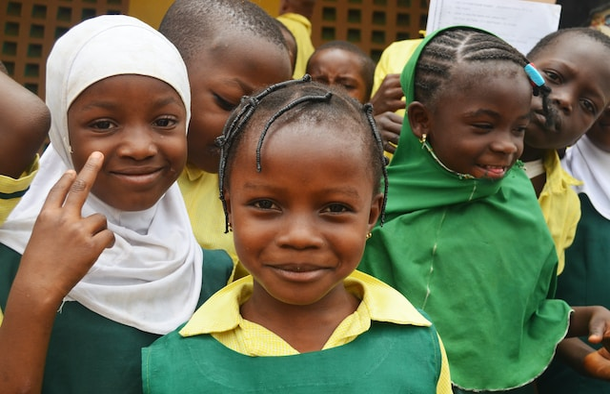
Additionally, this represents an untapped benefit for the global economy, as estimates suggest that closing the gender gap could boost global GDP by an average of 35% In Nigeria, a prevalent belief in the inferiority of girls compared to boys often leads to expectations that prioritize domestic responsibilities over education and career aspirations for girls. Encouraging girls to challenge stereotypes, pursue careers in male-dominated fields, and engage in STEM education can empower them and bridge gender gaps in these areas(The cable, 2023).
Fostering female empowerment is an economic strategy aimed at reducing poverty by enhancing women's development in politics, social arenas, and economic spheres, ultimately strengthening the nation's progress and diminishing women's vulnerability and dependency. The call for gender sensitivity extends to education.
In 2016, the literacy rate for individuals aged 15-24 was 59.3% for young women and 70.9% for young men. Female enrollment in Nigerian Colleges of Education stood at 46.1%, 47.3%, and 46.4% for the academic sessions of 2014/2015, 2015/2016, and 2016/2017, respectively. For Nigerian universities in 2017, female enrollment was 43.1%, while male enrollment was 56.9%. In the 2016/2017 academic sessions, the percentage of women lecturers in federal Colleges of Education was 33.8%. Furthermore, in 2017, the percentage of female professors in Nigerian Universities was 15.43%.
Nigeria's social imbalance centers on a skewed power dynamic regarding family size, contributing to a crucial population issue. Women lack decision-making authority on childbirth, with few population control initiatives targeting men to address the high fertility rate.
Achieving effective population control requires equal household empowerment for both men and women, addressing imbalances in marriage, religious, and governmental institutions, as well as improving access to healthcare programs. Global efforts, including the United Nations and numerous nations, focus on programs combating gender inequalities, with women's development as a key goal since the third millennium. Women should actively participate in shaping responses to interconnected crises, contributing to the design and evaluation of recovery plans with a focus on gender considerations. They should have an equal say alongside men in all economic decision-making levels.
Socio-cultural norms hinder women's access to capacity-building and various opportunities, locally and globally, that could address longstanding issues of underdevelopment and poverty in their communities.
Empowering girls and women to utilize their skills and participate in decision-making and policy formation ensures their voices are heard and valued.
In order to bridge the gender gap, we propose approaching the gender gap in three major sectors; politics, education and digital space.