"We Rise Stronger When We Stand Together"
There is an old African proverb that says, "If you want to go fast, go alone. If you want to go far, go together." In today's world, those words have never been more relevant.
Across our communities, many people carry burdens that others never see. A single mother worries about feeding her children. An elderly neighbor struggles with loneliness after losing a spouse. A young graduate battles unemployment while silently questioning their future. A family faces medical expenses they cannot afford, while another person quietly fights anxiety and depression behind a smile.
These struggles often remain hidden because many people believe they must face life's challenges alone.
No one was created to struggle alone.
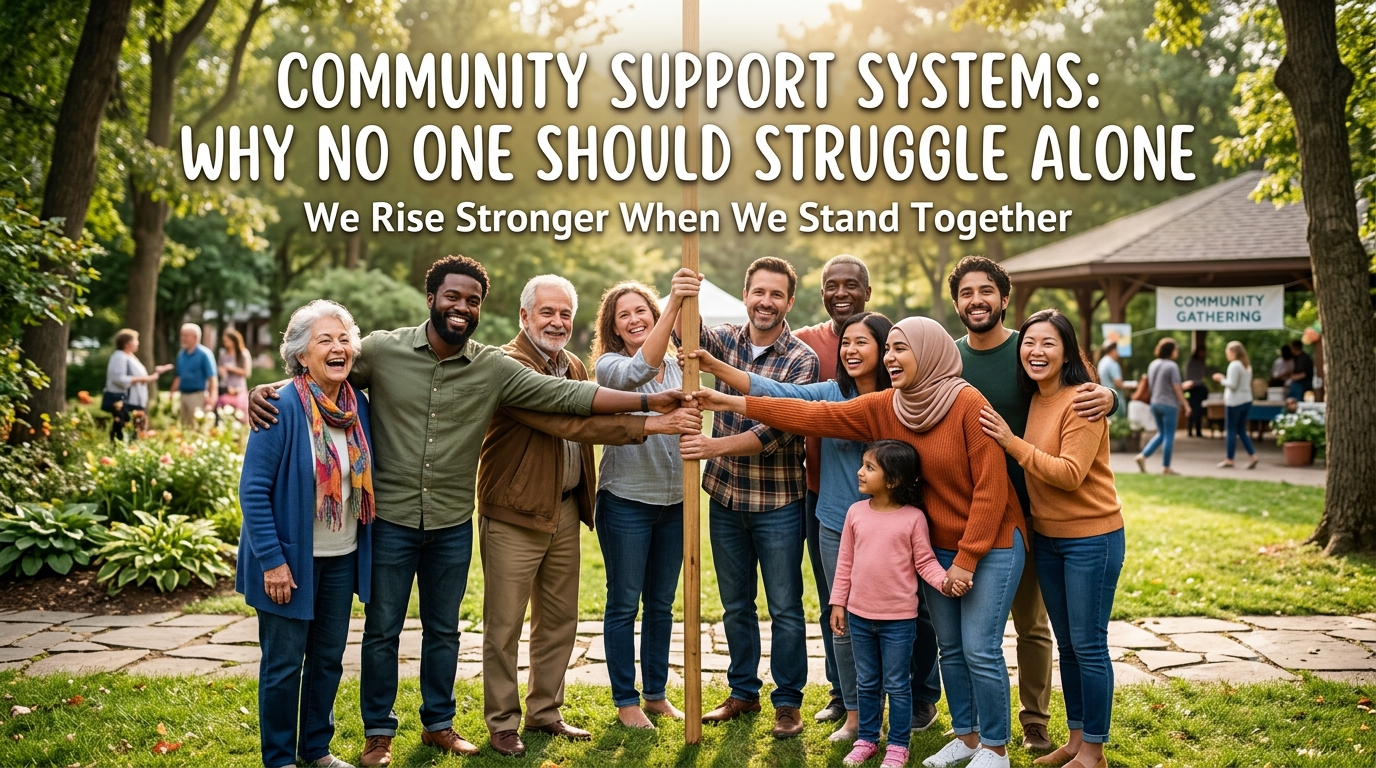
Human beings thrive through connection, compassion, and community. When people come together to support one another, hope grows, burdens become lighter, and lives are transformed.
Why Community Support Matters
Communities are more than groups of people living in the same area.
A true community is built on relationships, trust, compassion, and shared responsibility.
Throughout history, communities have survived difficult seasons because people looked out for one another. Whether facing economic hardship, natural disasters, illness, or personal loss, collective support has always been one of humanity's greatest strengths.
Today, however, increasing isolation, busy lifestyles, and digital communication have made many people feel disconnected, even when surrounded by others.
Community support reminds us that we are stronger together than we are alone.
The Hidden Struggles Around Us
Not every struggle is visible.
Many people carry emotional, financial, or physical burdens in silence.
Someone sitting beside you may be facing:
- Financial hardship.
- Job loss.
- Mental health challenges.
- Grief after losing a loved one.
- Family conflict.
- Chronic illness.
- Loneliness.
- Food insecurity.
- Housing instability.
Because these struggles are often invisible, it is easy to assume that everyone is doing fine.
Sometimes, the kindest question we can ask is:
"How are you really doing?"
One genuine conversation can become the beginning of someone's healing.
The Power of Good Neighbors
Communities become healthier when neighbors genuinely care about one another.
Being a good neighbor does not require extraordinary wealth or influence.
Sometimes, it means:
- Checking on an elderly resident.
- Helping someone carry groceries.
- Offering transportation during an emergency.
- Sharing meals with a struggling family.
- Watching over a neighbor's children when needed.
- Simply listening without judgment.
These seemingly small acts create trust, belonging, and security.
A supportive neighborhood becomes a place where people know they are not alone.
The Important Role of NGOs
Non-governmental organizations (NGOs) play a vital role in strengthening communities by providing support where it is needed most.
Many NGOs work tirelessly to:
- Provide emergency assistance.
- Support vulnerable families.
- Promote healthcare and education.
- Offer mental health awareness.
- Empower young people through skills development.
- Respond during disasters.
- Advocate for vulnerable populations.
- Create sustainable community programs.
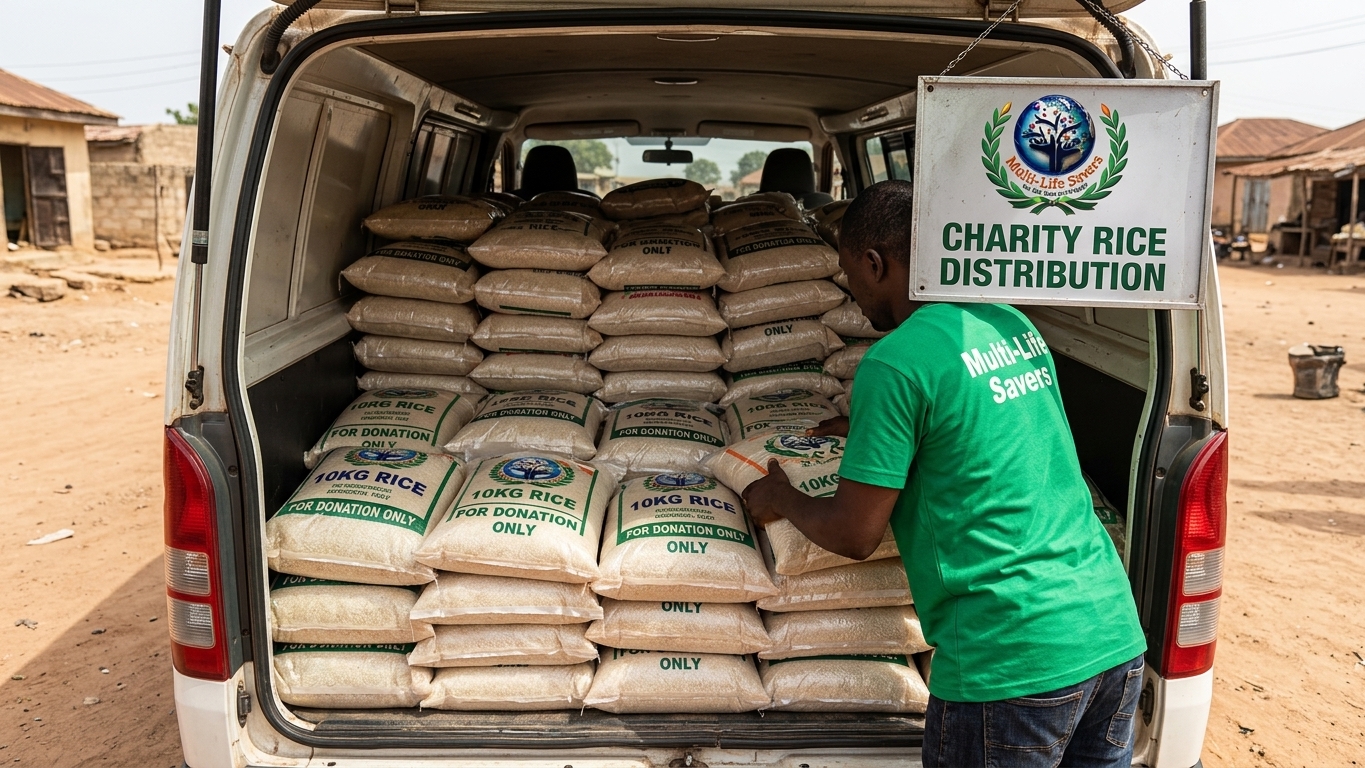
Organizations like Multi-Life Savers demonstrate that compassion can be transformed into meaningful action. Through humanitarian outreach, awareness campaigns, emergency response, and community support initiatives, they help restore hope to individuals and families facing difficult circumstances.
NGOs cannot solve every challenge alone, but they become powerful partners when communities, volunteers, and supporters work together toward a common goal.
Collective Responsibility Creates Stronger Communities
One of the greatest misconceptions is believing that helping others is someone else's responsibility.
The reality is that building stronger communities requires everyone.
Collective responsibility means recognizing that we all have something valuable to contribute.
Not everyone can donate money.
But everyone can contribute something:
- Time.
- Encouragement.
- Knowledge.
- Skills.
- Compassion.
- Resources.
- Advocacy.
- Kindness.
Every contribution matters.
Communities become healthier when people stop asking, "Why isn't someone helping?" and begin asking, "How can I help?"
Supporting More Than Physical Needs
True community support goes beyond food, clothing, and financial assistance.
People also need emotional support.
Many individuals silently struggle with:
- Anxiety.
- Depression.
- Burnout.
- Fear.
- Low self-esteem.
- Loneliness.
Sometimes, the greatest gift we can offer is our presence.
Listening without judgment.
Encouraging someone who feels discouraged.
Reminding another person that their life matters.
These acts may seem simple, but they often have a life-changing impact.
Small Acts Create Big Change
People often believe they need to do something extraordinary to make a difference.
The truth is that communities are transformed through ordinary acts repeated consistently.
Imagine if every person committed to one act of kindness each week:
- Checking on a neighbor.
- Volunteering at a local organization.
- Mentoring a young person.
- Donating food or clothing.
- Supporting a community clean-up.
- Visiting someone who feels lonely.
- Helping a family during difficult times.
These small actions create ripples that spread far beyond what we can see.
Kindness is contagious. Hope multiplies when shared.
Building a Culture of Compassion
Healthy communities are not built by governments or organizations alone.
They are built by ordinary people choosing compassion over indifference.
A culture of compassion means:
- Seeing people before judging them.
- Offering help without expecting recognition.
- Celebrating diversity and inclusion.
- Respecting every person's dignity.
- Creating safe spaces where people feel heard.
- Standing together during difficult seasons.
When compassion becomes part of everyday life, communities become places where everyone has the opportunity to thrive.
A Faith-Based Reflection
Many faith traditions teach that caring for one another is one of the highest expressions of love.
Compassion is not simply an emotion—it is action.
Serving others reflects humility, generosity, and the understanding that every human life has value.
When we feed the hungry, comfort the grieving, encourage the discouraged, and support those facing hardship, we become instruments of hope.
Communities flourish when people choose love over selfishness and service over indifference.
From Me to You
If you are struggling today, please remember this:
- You do not have to carry every burden by yourself.
- There is strength in asking for help.
- There is courage in accepting support.
And if you are in a position to help someone else, never underestimate the impact of your kindness.
One conversation.
One encouraging message.
One helping hand.
One act of compassion.
These moments have the power to change lives.
In Conclusion
Strong communities are not built by perfect people—they are built by people who care.
When neighbors support neighbors, when NGOs partner with communities, and when individuals embrace collective responsibility, hope becomes stronger than hardship.
No challenge becomes easier simply because we ignore it.
But many challenges become lighter when we face them together.
At the heart of every thriving community is a simple truth:
No one should struggle alone.
Because when we lift one another, we all rise together.