
Wanting a flatter tummy is a common fitness goal, but it is important to approach it realistically. There is no safe exercise or diet that can guarantee a completely flat stomach in exactly 30 days. Your results will depend on factors such as your starting weight, genetics, body composition, diet, activity level, sleep, and overall health.
The good news is that 30 days is enough time to begin building healthier habits that can improve fitness, strengthen your core, and, for some people, reduce overall body fat and waist size.
It is also important to understand that abdominal exercises alone cannot specifically remove belly fat. Research-based guidance recommends combining healthy eating with regular physical activity for weight management.
What Causes Belly Fat?
Belly fat can include fat stored under the skin as well as deeper abdominal fat, known as visceral fat.
Having excess abdominal fat can be associated with increased health risks, including type 2 diabetes and cardiovascular disease. Waist size can therefore be a useful health measurement alongside other factors.
However, having a little belly fat does not automatically mean that someone is unhealthy. Bodies naturally come in different shapes and sizes.
The goal should be better health and sustainable habits, rather than trying to achieve an unrealistic body shape as quickly as possible.
Can You Get a Flat Tummy in 30 Days?
You may notice changes in your stomach area within 30 days, particularly if you become more physically active and improve your eating habits.
However, the amount of change varies from person to person.
The Centers for Disease Control and Prevention recommends gradual, steady weight loss rather than rapid weight-loss methods. People who lose approximately 1–2 pounds per week are more likely to maintain their weight loss than those who lose weight rapidly.
Also, abdominal exercises can strengthen and tone the muscles underneath the belly, but they do not specifically burn belly fat. Reducing abdominal fat generally requires an approach that addresses overall body fat through sustainable lifestyle changes.
1. Start With Brisk Walking
Walking is one of the simplest ways to become more active.
You do not need expensive equipment or a gym membership. You can walk around your neighborhood, at a park, on a treadmill, or even incorporate more walking into your daily activities.
Try starting with 20–30 minutes of brisk walking and gradually increase the duration as your fitness improves.
Brisk walking counts as moderate-intensity physical activity, and adults are generally advised to aim for at least 150 minutes of moderate activity per week.
2. Add Strength Training
Strength training is not only for people who want to build large muscles.
Resistance exercises can help maintain muscle while you work toward losing excess body fat.
You can use:
- Bodyweight exercises
- Resistance bands
- Dumbbells
- Water bottles
- Household objects that are safe to use as weights
Aim to include muscle-strengthening activities at least two days per week, working the major muscle groups.
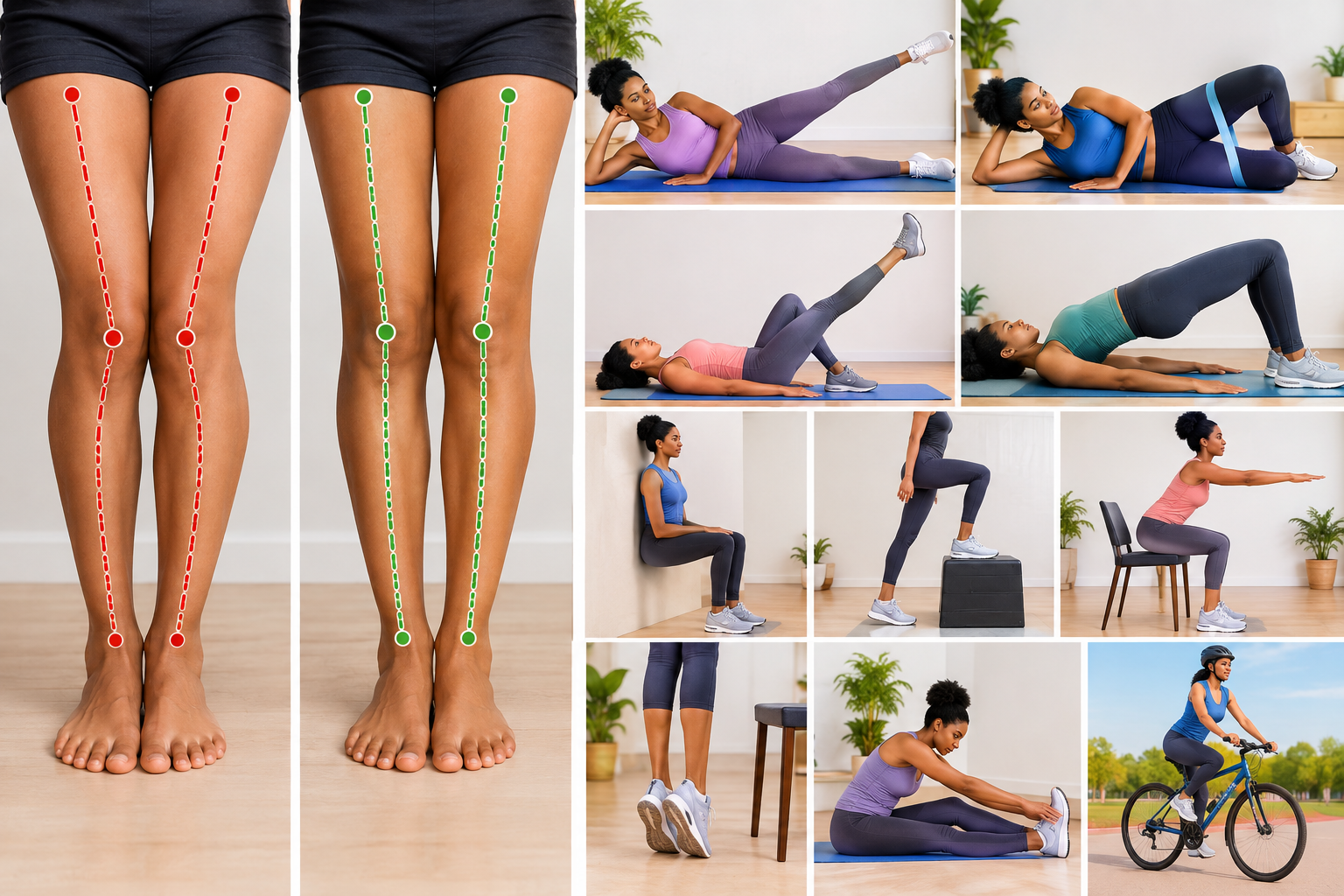
3. Strengthen Your Core
Core exercises can strengthen the abdominal muscles and improve stability.
Some exercises you can include are:
- Planks
- Bird dogs
- Dead bugs
- Glute bridges
- Modified mountain climbers
- Side planks
Remember, however, that these exercises strengthen your abdominal muscles but do not selectively burn belly fat.
4. Eat More Vegetables
A healthy eating pattern can make a significant difference to weight management.
Try to include vegetables in your meals regularly. Vegetables provide fiber, vitamins, minerals, and other nutrients while helping make meals more filling.
Examples include:
- Spinach
- Carrots
- Cabbage
- Green beans
- Tomatoes
- Cucumbers
- Peppers
- Okra
- Garden eggs
NIDDK recommends eating a variety of vegetables, fruits, whole grains, and nutritious protein sources as part of a healthy eating pattern.
5. Choose Protein-Rich Foods
Protein can be an important part of a healthy eating plan and can help make meals satisfying.
Good options include:
- Eggs
- Beans
- Lentils
- Fish
- Chicken
- Lean meat
- Soy products
- Nuts and seeds
Try to combine protein with vegetables and appropriate portions of whole grains or other nutrient-rich carbohydrates.
6. Reduce Sugary Drinks
One simple change during your 30-day journey is to reduce drinks that contain large amounts of added sugar.
These may include:
- Soft drinks
- Sweetened juices
- Energy drinks
- Sweetened teas
- Sugary coffee drinks
Instead, choose water more often.
Replacing sugary drinks with water can reduce your intake of added sugar and calories.
7. Pay Attention to Portion Sizes
Even nutritious foods can contribute to weight gain when eaten in amounts that exceed your body's energy needs.
You do not necessarily have to completely eliminate your favorite foods.
Instead, pay attention to portion sizes and build meals around nutritious foods.
A simple approach is to include vegetables, a source of protein, and a reasonable portion of whole grains or other carbohydrates.
NIDDK recommends paying attention to portions and choosing healthier foods in place of less nutritious options.
8. Choose Whole Foods More Often
Try to make whole or minimally processed foods the foundation of your meals.
Examples include:
- Fruits
- Vegetables
- Beans
- Whole grains
- Eggs
- Fish
- Nuts
- Seeds
- Lean meats
This does not mean you can never eat processed or favorite foods. The goal is to create an eating pattern that is nutritious and realistic enough to maintain.
9. Get Enough Sleep
Your 30-day goal should not be focused entirely on food and exercise.
Sleep is also part of a healthy lifestyle. The CDC includes enough sleep and stress management among the habits that support healthy weight management.
Create a consistent sleep routine and give your body enough opportunity to rest and recover.
10. Manage Stress
Stress can make healthy habits more difficult to maintain.
Instead of relying on food to cope with stress, consider healthier activities such as:
- Walking
- Prayer or meditation
- Reading
- Talking with someone you trust
- Listening to music
- Spending time outdoors
- Practicing deep breathing
Taking care of your mental well-being is part of taking care of your physical health.
A Simple 30-Day Plan
Rather than trying to dramatically change your body in four weeks, use the month to build sustainable habits.
Days 1–7: Build Your Foundation
Focus on:
- Drinking more water
- Reducing sugary drinks
- Eating more vegetables
- Walking regularly
- Getting consistent sleep
- Reducing unnecessary snacking
Don't worry about perfection. Focus on consistency.
Days 8–14: Increase Your Activity
Continue your healthy eating habits and increase your physical activity.
Add strength-training exercises two days during the week.
You can also gradually increase your walking time.
Days 15–21: Strengthen Your Routine
Continue with regular aerobic activity and add more core-strengthening exercises.
Pay attention to your portions and try to make nutritious foods the majority of your meals.
Days 22–30: Make It Sustainable
By the final week, the goal should not simply be to look different.
Ask yourself:
- Am I more active?
- Am I eating more nutritious foods?
- Am I drinking fewer sugary drinks?
- Am I sleeping better?
- Is my fitness improving?
- Can I maintain these habits beyond 30 days?
These questions are more important than simply looking at the number on a scale.
What You Should Avoid
Be careful with programs that promise to give you a completely flat stomach in a few days.
Avoid extreme approaches such as:
- Starving yourself
- Extremely restrictive diets
- Unregulated weight-loss supplements
- Excessive exercise
- Skipping meals unnecessarily
- Detox products that promise to "melt" belly fat
- Trying to lose a large amount of weight very quickly
Healthy weight management is generally a gradual process.
Remember: You Cannot Choose Where Your Body Loses Fat
One of the biggest misconceptions about getting a flat tummy is that doing hundreds of abdominal exercises will cause the body to burn fat specifically from the stomach.
Unfortunately, the body does not work that way.
You can strengthen your abdominal muscles with exercises such as planks and crunches, but losing abdominal fat requires an approach that addresses overall body fat and overall health.
When Should You Speak With a Health Professional?
Before beginning a new exercise or weight-loss program, consider speaking with a healthcare professional if you have a medical condition, are taking medications that affect weight, are pregnant, have a history of an eating disorder, or have other health concerns.
People with conditions such as heart disease, high blood pressure, or diabetes may need individualized advice about the type and amount of physical activity that is appropriate.
From Multi-Life Savers
At Multi-Life Savers, we believe that taking care of your health should not be about chasing unrealistic standards.
Your body deserves nourishment, movement, rest, patience, and care.
A 30-day health challenge should not be about punishing yourself because you don't like the way your stomach looks. It should be about developing habits that help you feel stronger, healthier, and more confident.
You do not need to change everything overnight.
Start with one healthy choice.
Then make another.
Eventually, those small choices can become a lifestyle.
Conclusion
Getting a flatter tummy in 30 days is not guaranteed, and there is no safe method that can promise dramatic belly-fat loss within a specific number of days.
However, 30 days can be a meaningful starting point.
By eating nutritious foods, controlling portions, reducing sugary drinks, staying physically active, strengthening your muscles, sleeping well, and managing stress, you can begin building habits that support a healthier body.
The real goal should not be a temporary transformation.
The goal is to become healthier one day at a time—and to build habits you can continue long after the 30 days are over.