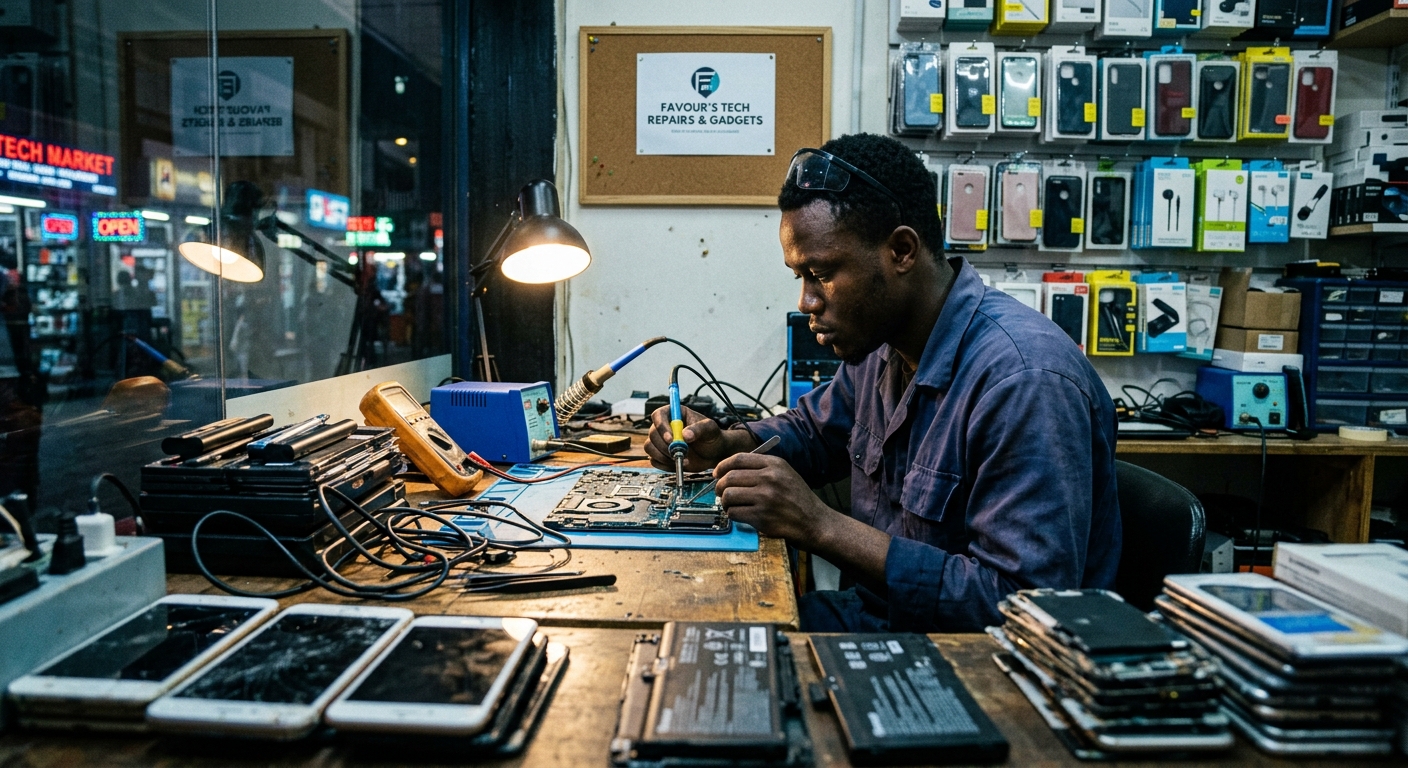
It was a typical Tuesday afternoon when Emeka finished a long shift at work. He reached into his pocket, pulled out his phone, and noticed something unusual: the signal bars had completely disappeared. Thinking it was just a temporary network glitch, he restarted his phone and went home.
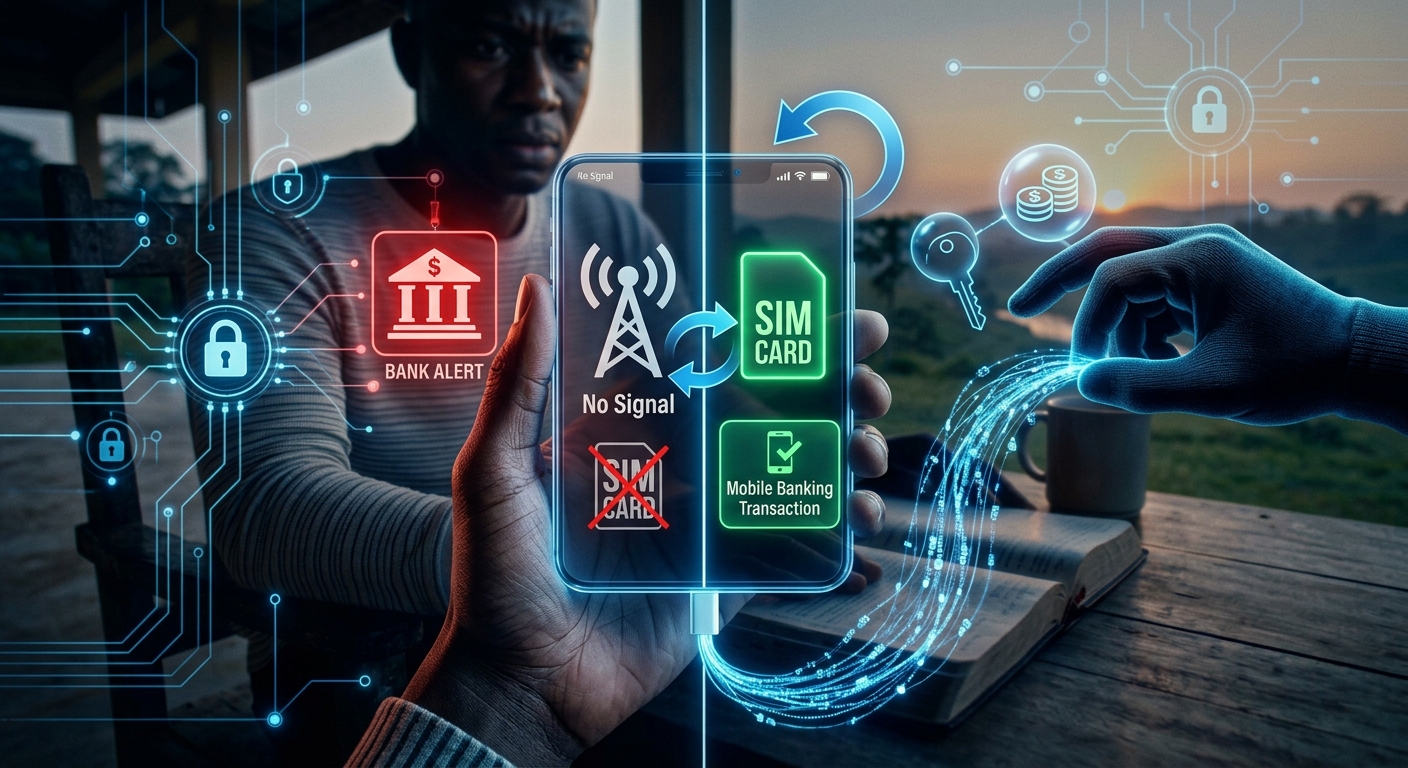
By the next morning, his network was still completely dead. Concerned, Emeka walked into his service provider’s branch to ask for help. But the news he received sent a cold shiver down his spine. "Sir, your line was swapped yesterday evening." Panic set in. He quickly checked his mobile banking app on Wi-Fi, only to see that his hard-earned savings—money set aside for rent and family support—had been completely cleared out.
Emeka had become a victim of a SIM-swap fraud combined with a targeted phishing scam. Across Nigeria, thousands of hardworking individuals face this reality every day as cybercriminals find new ways to target personal bank accounts and digital wallets. The good news? You can easily stay several steps ahead of these fraudsters with simple online safety habits.
Understanding the Threat: How SIM-Swap & Phishing Scams Work
To defend your money, you must first understand how criminals breach your personal security:
- Phishing Scams: Fraudsters send urgent fake emails, SMS messages, or WhatsApp texts pretending to be your bank, telecom operator, or a government agency. They often claim your account is "blocked" or that you need to "update your BVN/NIN." Once you click their link and enter your details, they harvest your passwords and personal information.
- SIM-Swap Fraud: Once criminals gather your full name, phone number, and bank account details via phishing, they impersonate you at a mobile network outlet. They illegally transfer your phone line to a blank SIM card they control. Once successful, all your Bank Verification Number (BVN) alerts, One-Time Passwords (OTPs), and banking codes go straight to their device.
Essential Steps: How to Prevent Mobile Phone Banking Scams
Protecting your savings doesn't require a degree in computer science. Taking these daily cybersecurity precautions keeps your digital wallet safe:
- Never Share Your OTPs, PINs, or BVN: No bank or official organization will ever call or message you asking for your One-Time Password, transaction PIN, or full card details. Treat your OTP like the key to your front door—never hand it to anyone, regardless of how urgent they sound.
- Act Fast on Sudden "No Service" Signals: If your mobile network suddenly disconnects for an extended period without a network-wide outage, do not wait until tomorrow. Immediately call your bank's emergency USSD fraud code to temporarily block your banking services, then contact your network provider.
- Set Up a SIM Card PIN: Protect your physical SIM card. Go to your phone’s security settings and enable a SIM PIN. This prevents fraudsters from simply putting your SIM card into another phone to access your banking USSD codes if your device is stolen.
- Avoid Clicking Suspicious Links: Always check web addresses carefully. Do not click on links sent via unverified emails or social media messages claiming you have won a prize, loan, or free data package. Type your bank's website address directly into your browser instead.
- Secure Your Banking Apps with Biometrics: Enable fingerprint or facial recognition on your mobile banking applications alongside strong, unique passwords that are not easily guessed (avoid using birth dates or sequential numbers like 1234).
Securing Your Financial Future
Emeka’s experience was a painful lesson, but through community support and cybersecurity awareness, he rebuilt his financial foundation with stronger safety habits. Technology has made banking in Nigeria faster and more convenient than ever, but vigilance remains your strongest defense.
By protecting your personal data, setting up security locks, and staying informed about common fraudulent tactics, you ensure that your hard-earned money remains safely in your hands.
A Rule to Live By: When it comes to your money and personal data, always verify before you trust.